
The production of primary aluminum typically converts bauxite ore into pure metal through a dual-stage industrial process involving chemical refining and electrolytic reduction. The Bayer process yields alumina by dissolving bauxite in sodium hydroxide at temperatures of 140°C to 250°C, removing iron and silica impurities. Subsequently, the Hall-Héroult process utilizes high-amperage direct current to electrolyze alumina dissolved in a molten cryolite bath at 950°C. This sequence demands approximately 13 to 15 kWh of electricity per kilogram of finished aluminum, enabling global output to exceed 70 million metric tons annually.
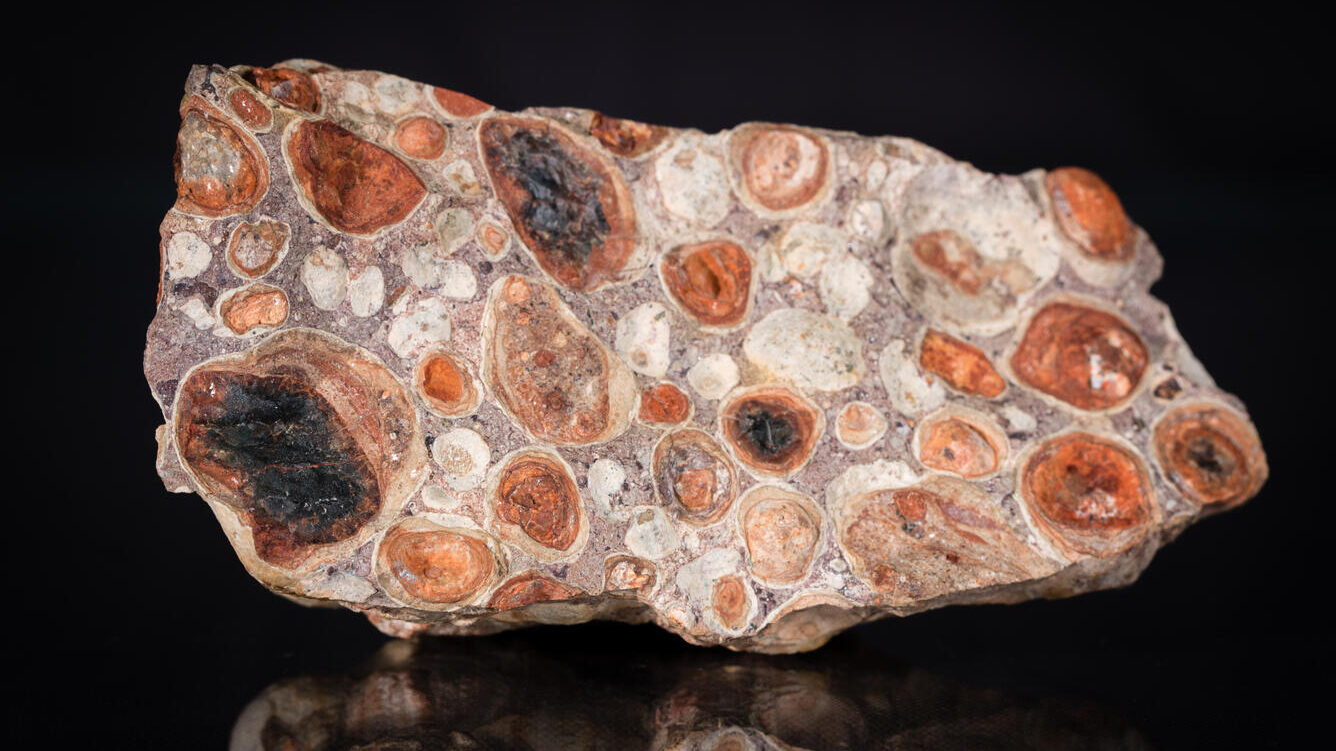
Bauxite mining initiates the supply chain, as the ore, consisting of 40% to 60% aluminum oxide, is extracted from open-pit mines. These sites in countries like Australia and Guinea supply the global market, moving ore to refineries to start the process of how is aluminum produced.
Refineries crush the bauxite into a fine slurry, mixing it with a concentrated sodium hydroxide solution. In pressurized vessels, the aluminum minerals dissolve, while iron oxides and silica remain as solid residue, commonly referred to as bauxite tailings.
This residue is separated from the sodium aluminate solution using large-scale thickeners and filters. The efficiency of this separation process dictates the purity of the final product, as even trace amounts of silicon can affect the electrical conductivity of the aluminum later in the production cycle.
Once clarified, the solution undergoes precipitation to encourage the growth of aluminum hydroxide crystals. These crystals are separated from the liquid caustic soda, which is recycled back into the digestion stage to minimize chemical waste, maintaining a recovery rate often exceeding 95%.
The aluminum hydroxide crystals are subjected to calcination, a process involving rotary kilns or fluid bed furnaces reaching temperatures of 1000°C. This thermal treatment removes chemically bound water, leaving behind dry, white alumina powder ($Al_2O_3$).
Each kilogram of calcined alumina requires roughly 1.9 to 2 kilograms of bauxite ore, depending on the mineral grade. The resulting alumina serves as the feedstock for the smelting phase, which transforms the powder into molten metal.
| Component | Function in Refining |
| Sodium Hydroxide | Dissolves aluminum oxide |
| Bauxite Tailings | Solid waste requiring management |
| Calcination | Removes hydroxyl groups to create anhydrous alumina |
The smelting plant houses long rows of electrolytic cells, known as pots, lined with carbon blocks serving as the cathode. A carbon anode, composed of petroleum coke and coal tar pitch, hangs suspended above the molten bath, conducting electricity directly into the system.
The electrolyte bath consists of molten cryolite ($Na_3AlF_6$), which acts as a solvent for alumina, lowering its melting point significantly. Without this solvent, the alumina would require temperatures above 2000°C to melt, making the process commercially unfeasible.
Operators maintain the bath temperature strictly between 940°C and 980°C. If the temperature drops, the cryolite solidifies, forming a "crust" that hampers electrical conductivity, while excessive heat leads to unnecessary energy loss and equipment wear.
Electrolysis causes the aluminum to dissociate from oxygen, with molten aluminum depositing at the bottom of the pot. Since aluminum is denser than the cryolite bath, it collects as a liquid layer, protected from oxidation by the overlying electrolyte.
The liberated oxygen reacts with the carbon anodes, producing carbon dioxide. This consumption means anodes must be replaced every 25 to 30 days, representing a steady operational cost for every smelter.
Modern smelters often utilize pre-baked anode technology, which offers higher energy efficiency compared to older Soderberg designs. By 2025, industrial standards increasingly prioritize low-carbon energy sources, such as hydroelectric power, to reduce the carbon footprint associated with the 14 kWh per kilogram average power consumption.
The pot-line controller monitors the voltage and alumina concentration continuously. Maintaining an alumina concentration of 2% to 4% within the bath prevents the "anode effect," a condition where the electrical resistance spikes, causing heat and gas emissions that disrupt production efficiency.
Molten aluminum, with a purity often reaching 99.7% or higher, is siphoned from the pots using vacuum crucibles. This liquid metal is transferred to holding furnaces where operators perform alloying and metal treatment.
Alloying involves adding precise amounts of magnesium, silicon, or copper to meet specific industrial requirements. For example, the 6000-series aluminum alloys incorporate magnesium and silicon to provide high strength-to-weight ratios suitable for automotive panels and structural profiles.
-
Dross removal: Skimming impurities from the surface of the molten metal.
-
Degassing: Using inert gases like argon to remove dissolved hydrogen, which prevents porosity in cast products.
-
Grain refinement: Adding titanium boride to ensure consistent grain size during solidification.
The final stage involves casting the molten alloy into shapes such as ingots, billets, or slabs. These forms allow for downstream processing like rolling into sheet metal for beverage cans or extruding into intricate shapes for window frames.
Global logistics then move these semi-finished products to fabrication plants. The entire cycle, from mining the ore to producing a finished component, relies on precise control of chemical and electrical parameters established over the last century.
As the industry moves toward 2030, research focuses on inert anode technology to replace carbon anodes. This shift aims to eliminate CO2 emissions during the electrolytic reduction phase by releasing only oxygen, marking a significant evolution in the long-established process.